
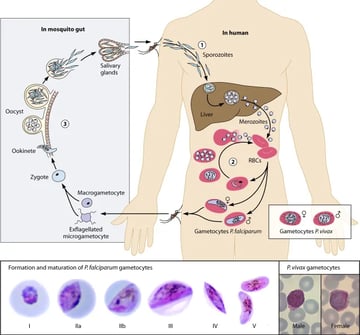
Plasmodium and Malaria: Life Cycle, Pathogenesis, and Laboratory Diagnosis
Plasmodium life cycle, pathogenesis, and lab diagnosis explained: falciparum vs vivax, why only rings show on a smear, hypnozoites, relapse vs recrudescence.
Plasmodium life cycle, pathogenesis, and lab diagnosis explained: falciparum vs vivax, why only rings show on a smear, hypnozoites, relapse vs recrudescence.
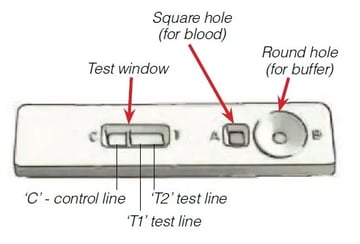
Learn how malaria rapid diagnostic tests work, how to interpret T1/T2/C line results, and the critical limitation of HRP-2 gene-deleted P. falciparum strains — with exam questions.
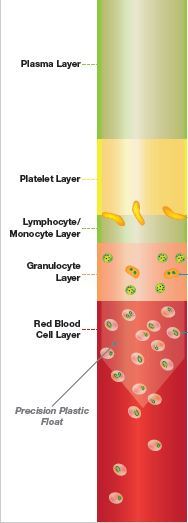
Learn how the QBC test uses acridine orange and fluorescence microscopy to diagnose malaria, filariasis, and visceral leishmaniasis with procedure, results interpretation, and comp...
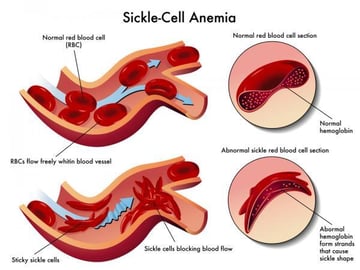
Why does sickle cell trait protect against malaria while sickle cell anemia worsens it? Understand the HbAS advantage, the Duffy antigen, and other genetic factors — with exam-read...
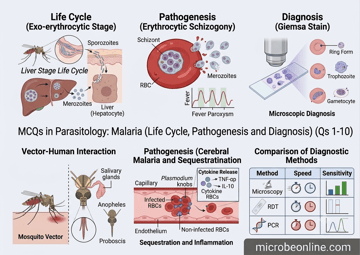
Ten malaria MCQs with answers and explanations: the Plasmodium life cycle, species differences, blood-smear dots (Schuffner, Maurer), gametocyte shapes, blackwater fever, relapse v...
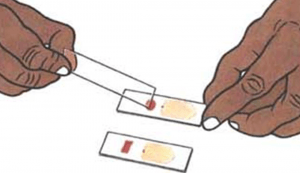
Step-by-step guide to preparing thick and thin blood smears for malaria diagnosis: making the smear, Giemsa staining, microscopic examination, species identification, and parasitae...