
Virology
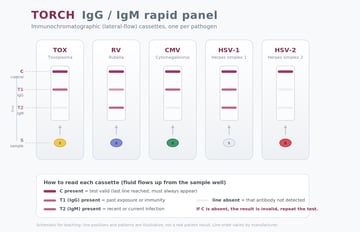
TORCH Panel Test: Congenital Infections and How to Read the Serology
TORCH panel test explained: what the acronym covers, why IgM and IgG mean different things in mother and newborn, and how infection timing decides fetal risk.

In 2020, a novel coronavirus spread across the world, and within weeks, clinical microbiologists had characterized its genome, developed PCR-based diagnostic tests, and begun evaluating serological assays for population-level surveillance. That speed was possible because the foundational principles of virology (viral structure, replication, tropism, and immune evasion) were already understood.
Virology is the study of viruses: obligate intracellular parasites that require a host cell to replicate, cause disease through mechanisms distinct from bacteria or fungi, and pose unique diagnostic challenges because they cannot be grown on standard bacteriological media.
This section covers:
A recurring theme in clinical virology is the interpretation of serological results, understanding that IgM indicates recent infection and IgG indicates past exposure or vaccination, and knowing when those rules have exceptions, is as important as memorizing which virus causes which disease.
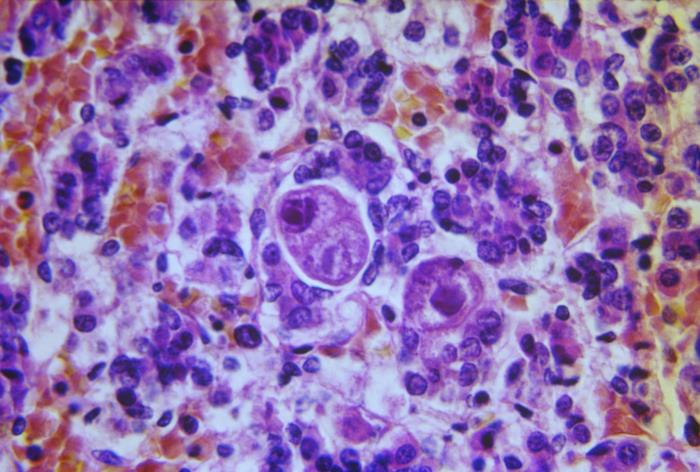
Cytomegalovirus: the commonest congenital infection and leading non-genetic cause of childhood deafness. Owl's-eye inclusions, pp65, and primary-infection risk.
TORCH panel test explained: what the acronym covers, why IgM and IgG mean different things in mother and newborn, and how infection timing decides fetal risk.
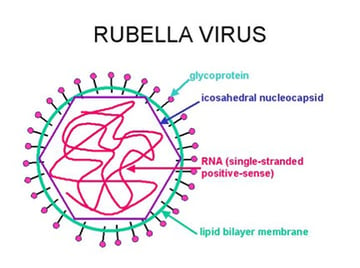
Rubella virus: why a mild maternal rash causes congenital rubella syndrome, the CRS triad, IgM vs IgG interpretation, and how timing decides fetal risk.
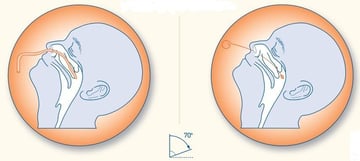
Step-by-step nasopharyngeal and oropharyngeal swab collection, how deep the swab should go and how to tell, which swabs are unacceptable, and how to store the specimen so the resul...
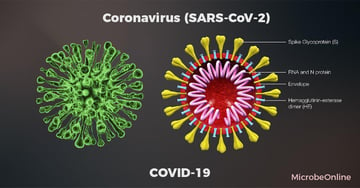
SARS-CoV-2 diagnostics explained: RT-PCR and Ct value interpretation, antigen testing principles, and IgG/IgM serology a complete teaching guide to the three pillars of viral diagn...
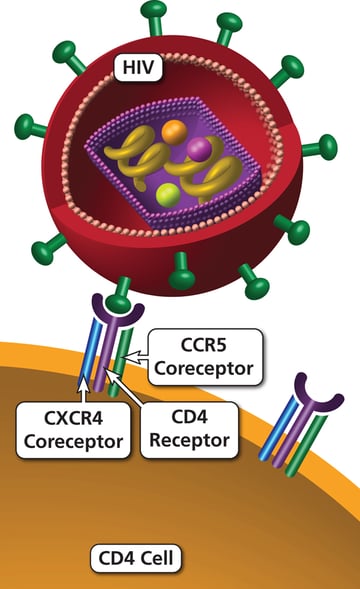
Complete guide to HIV: structure (gp120, gp41, p24, reverse transcriptase), laboratory diagnosis (ELISA, Western blot, PCR, CD4 count), and why some people are naturally resistant...
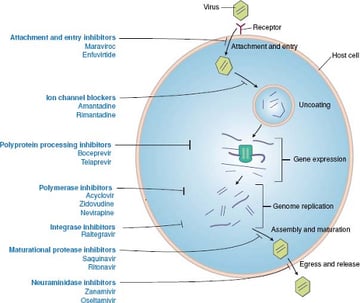
How acyclovir exploits viral thymidine kinase, why protease inhibitors stop HIV assembly, and which drug class blocks neuraminidase to trap flu virions.
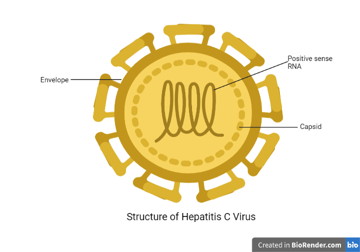
Why HCV's hypervariable proteins defeat both the immune system and interferon, and how direct-acting antivirals changed hepatitis C treatment.
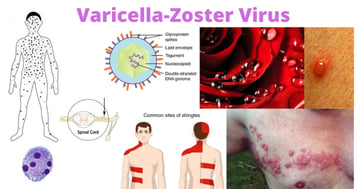
How VZV hides in dorsal root ganglia after chickenpox, what triggers reactivation as shingles, and why aspirin is dangerous in children with VZV and the chickenpox versus smallpox...
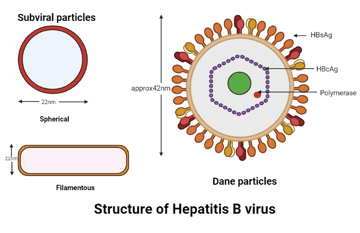
How HBV's overlapping genes drive chronic infection, why HBcAg never shows up in blood tests, and what makes some carriers infectious for life.

How HAV's bare, acid-resistant capsid drives outbreaks through food and water, and why it never causes chronic infection unlike B or C.
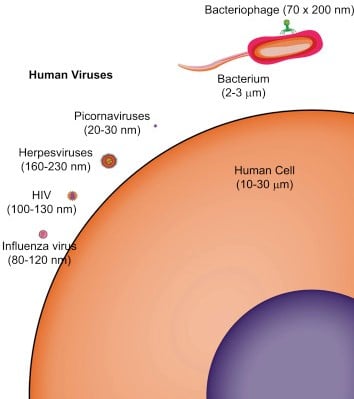
A starting-point guide to virus structure, genome types, and the diseases they cause, with links to detailed diagnosis methods.
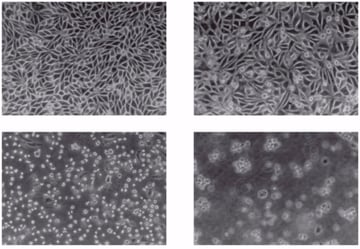
Why different viruses leave different fingerprints on infected cells, and how to read those patterns to identify an unknown virus.
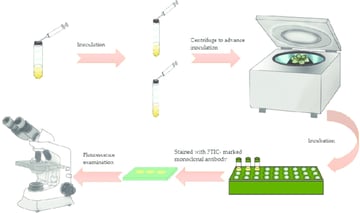
How shell vial culture detects CMV and other slow-growing viruses in 16–48 hours using centrifugation and early antigen immunofluorescence.

Why influenza, herpes, and arboviruses each need a different site inside the egg, and how this method still makes most flu vaccines today.