
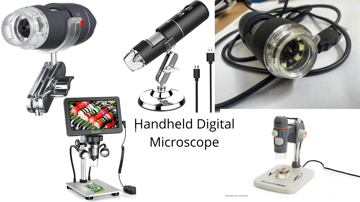
Handheld Digital Microscope: Parts, Principle, and Uses
A handheld digital microscope has no eyepiece. A CMOS image sensor captures the magnified image and sends it to a phone or computer screen. Here is how it works, its parts, and its...
These are list of blog posts related to microscopy.
A handheld digital microscope has no eyepiece. A CMOS image sensor captures the magnified image and sends it to a phone or computer screen. Here is how it works, its parts, and its...
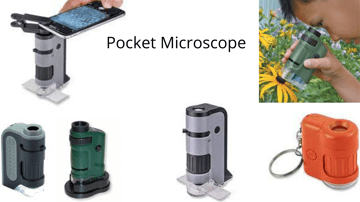
A pocket microscope is a small optical microscope you look through with your eye, magnifying about 20x to 250x. Here is how it works, its parts, its uses, and how it differs from a...
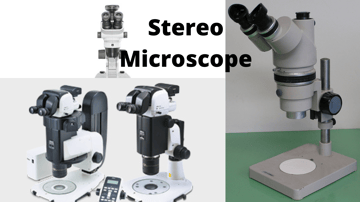
Why a stereo microscope, not a compound microscope, is the right tool for examining whole specimens like worm segments or insects in three dimensions.
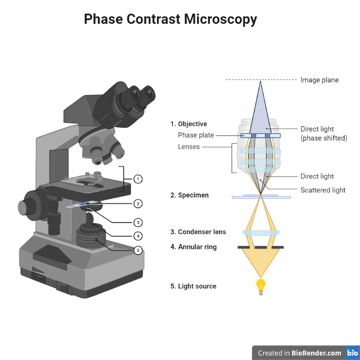
How phase-contrast microscopy makes living, unstained cells visible by amplifying invisible differences in light phase, and why it won Zernike a Nobel Prize.
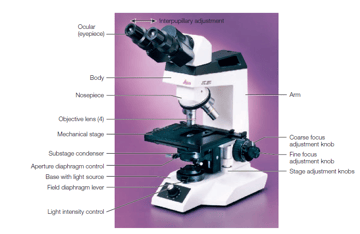
A practical guide to the types of microscope used in microbiology: bright-field, dark-field, phase-contrast, fluorescence, electron and probe microscopes, with a decision guide for...
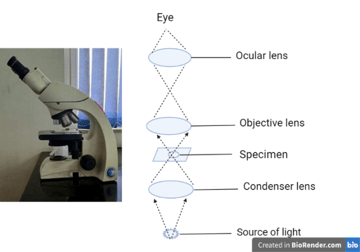
The physics behind a light microscope's resolving power, why magnification alone can't reveal more detail, and why oil immersion is required at 100X.
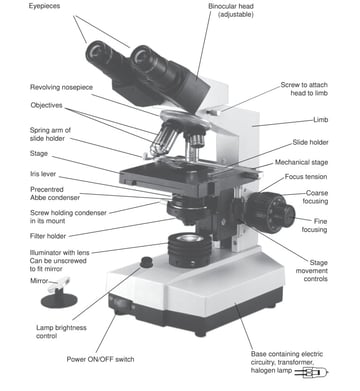
Every part of the compound microscope and what it does, why oil immersion works only at 100X, when to close the iris and when to open it, plus a clinical guide to objectives and se...
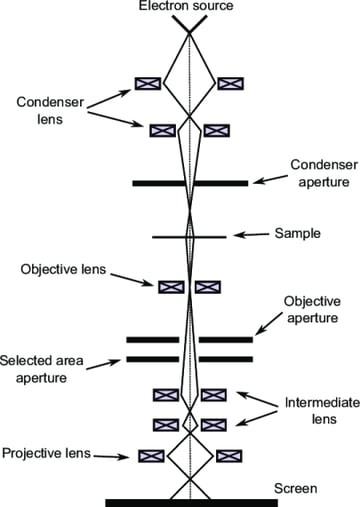
How electron microscopes use electron beams instead of light to reveal detail far below what light microscopy can resolve, and how TEM and SEM differ in what they can show you.
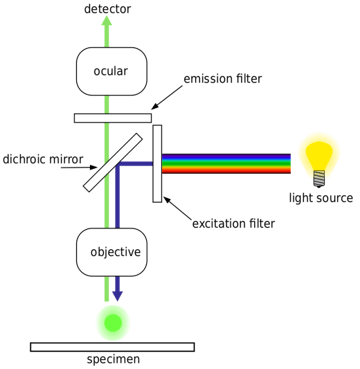
How a fluorescence microscope makes labeled organisms glow against total darkness, and why it's replaced ordinary staining for TB screening and several other diagnostic tests.
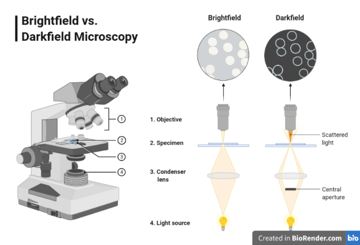
How dark-field microscopy makes spirochetes like Treponema pallidum visible without staining, by detecting scattered light rather than resolving fine detail.
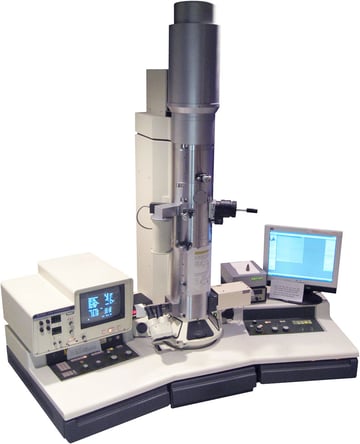
A full side-by-side comparison of SEM and TEM, and why the choice comes down to one question: do you need to see a specimen's surface, or what's inside it?