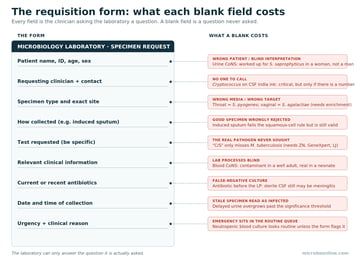
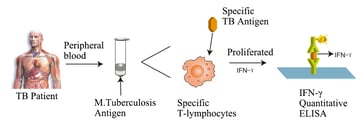
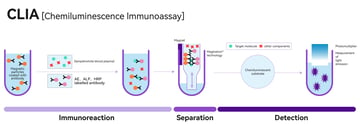
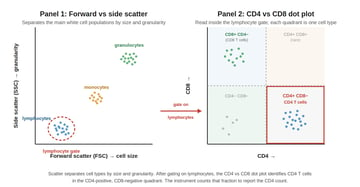
A patient with suspected tuberculosis has a negative sputum smear. The clinician orders a PCR-based test. The result comes back positive but the lab technician notices the band on the gel appeared in the negative control lane too. Was it contamination during PCR setup? A pipetting error? A mislabeled tube? Before anyone can answer, they need to understand not just that these techniques exist, but how each step works and where each one can fail.
In diagnostic microbiology, the technique is part of the diagnosis. A result is only as reliable as the method that produced it -- and the person who ran it.
This section covers the full range of laboratory instruments and analytical techniques used in clinical microbiology, molecular diagnostics, and biomedical laboratory science:
Instruments and equipment:
- Sterilization equipment: autoclave, hot air oven, UV chambers, and filtration apparatus; operating principles, cycle validation, and failure modes
- Microscopy: bright-field, dark-field, phase-contrast, and fluorescence microscopy; lens systems; oil immersion technique; care and maintenance
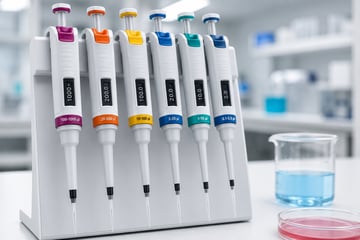
- Measurement and dispensing: micropipettes, graduated and serological pipettes, balances, and volumetric glassware; calibration and common errors
- Centrifugation: types of centrifuges, rotor systems, RPM versus RCF conversion, and safe operation
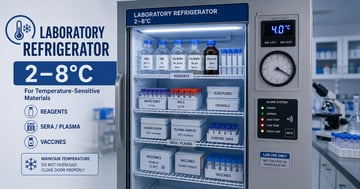
- Incubators, water baths, and temperature-controlled equipment: calibration, temperature uniformity, and CO2 incubator monitoring
Separation and analytical techniques:
- Electrophoresis: agarose gel and polyacrylamide gel electrophoresis (PAGE); how charge, size, and matrix interact to separate molecules; DNA, RNA, and protein applications; band pattern interpretation
- Blotting methods: Southern blotting (DNA), Northern blotting (RNA), and Western blotting (protein); how transfer and hybridization work; clinical and research applications
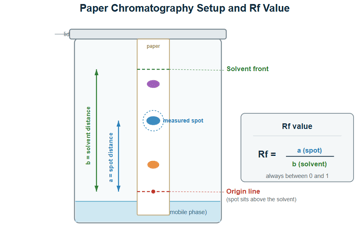
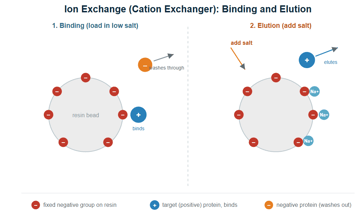
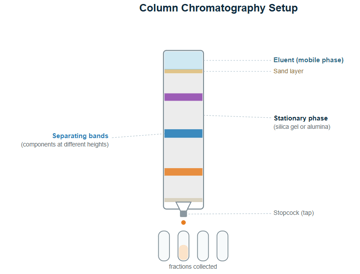
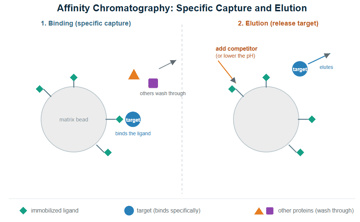
- Chromatography: separation based on differential affinity; thin-layer, column, gas, and high-performance liquid chromatography (HPLC); applications in clinical chemistry and molecular biology
- Spectrophotometry and colorimetry: absorbance-based quantification; Beer-Lambert law; OD600 for bacterial growth curves; enzyme and diagnostic assay applications
Molecular techniques:
- PCR and its variants: conventional PCR, real-time (qPCR), reverse transcription PCR (RT-PCR), multiplex PCR, nested PCR, and digital PCR; principles, setup, controls, and interpretation
- Nucleic acid extraction and quantification: methods for isolating DNA and RNA from clinical specimens; purity ratios; storage considerations
- Sequencing and genotyping: Sanger sequencing, next-generation sequencing (NGS) concepts, and their role in outbreak investigation and resistance gene identification
Each article is built around the teaching framework that makes techniques genuinely learnable: What does this method detect or separate, and how does it work? Why does each step matter and what happens to the result if a step goes wrong? How do you remember the logic well enough to troubleshoot a real problem at the bench?
Theory-heavy technique articles (like electrophoresis or blotting principles) open with a clinical scenario that shows why the technique exists. Procedural articles (like PCR setup or micropipette calibration) open with the step students most commonly get wrong because that is where understanding actually breaks down.