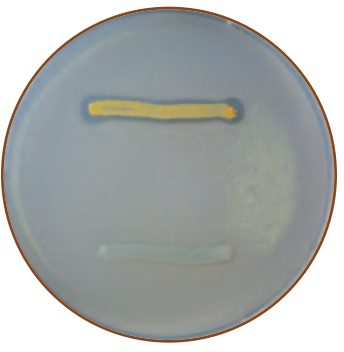
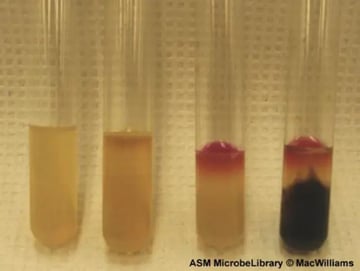
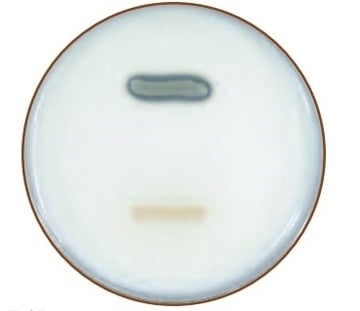
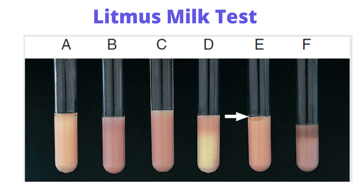
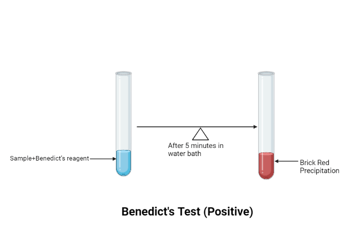
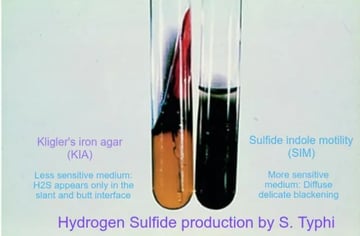
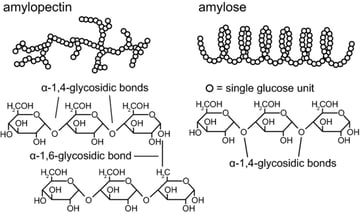
The organism grew overnight on blood agar. It is Gram-positive and catalase-positive. Now what? The next step is a panel of biochemical tests — each one asking a specific question about the organism's metabolism and together they narrow a field of thousands of possible bacteria down to a single species.
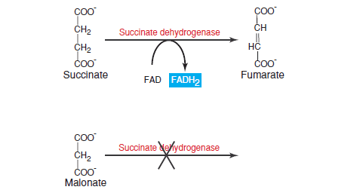
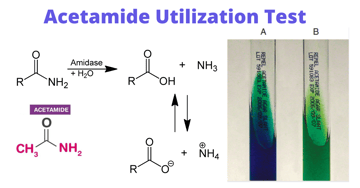
Biochemical tests are the chemical reactions used to identify bacteria based on their enzymatic activity and metabolic products. They are the bridge between "something grew" and "we know what it is."
This section covers every major test in clinical and teaching laboratory use:
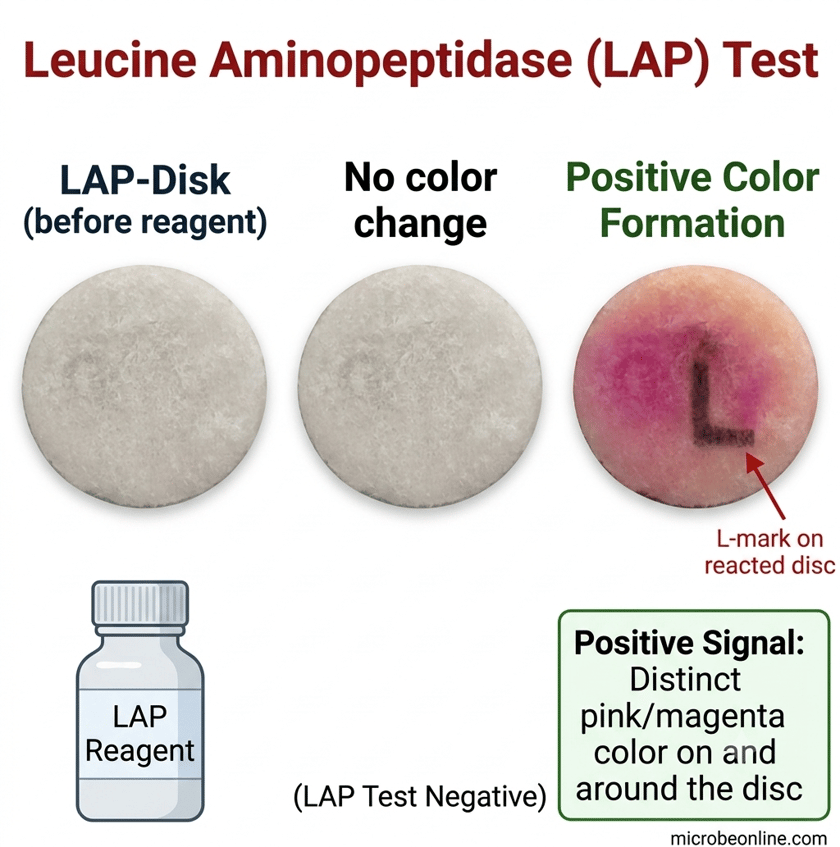
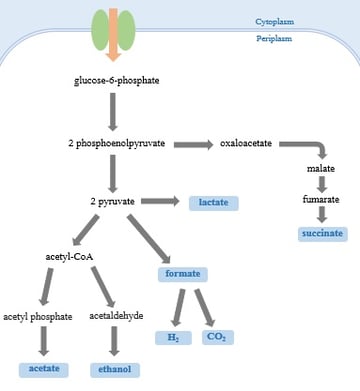
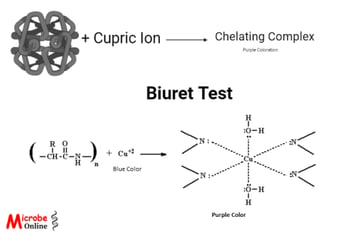
- Individual test articles: the principle behind each test, how it is performed, how to read the result, and what a positive or negative finding means for identification
- Expected results tables: organism-by-organism result summaries, formatted for quick exam review
- Where students get confused: common pitfalls such as false positives, interfering substances, and tests that are visually similar but detect different enzymes
Each article follows the same logic a clinical microbiologist uses at the bench: What does this test detect? Why does this organism give this result? How do you remember which organisms are positive?
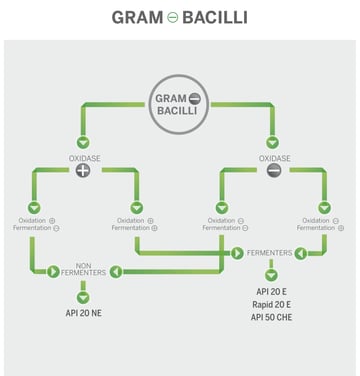
If you are working through a biochemical identification flowchart for the first time, start with the catalase test and follow the logic forward.