
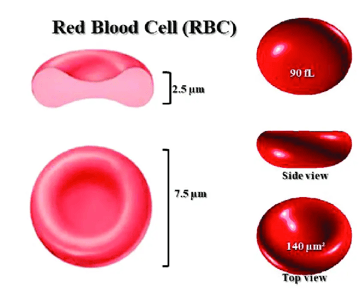
Blood Cells: Types, Classification, Normal Values, Functions
The three types of blood cells (RBCs, WBCs, platelets): size, morphology, normal values, lifespan, and functions, with a full comparison table.

Samikshya Sharma completed her postgraduate studies in Medical Microbiology at the Central Department of Microbiology, Tribhuvan University, Nepal. She contributes to Microbeonline with the goal of making foundational and clinical microbiology concepts clear and useful for students in medical, laboratory science, and allied health programs.
The three types of blood cells (RBCs, WBCs, platelets): size, morphology, normal values, lifespan, and functions, with a full comparison table.
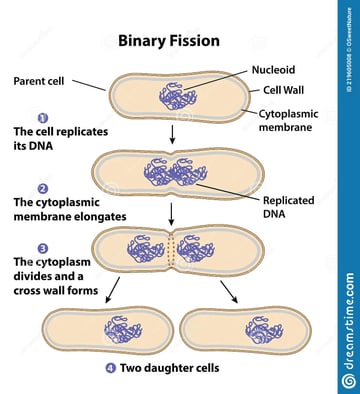
Binary fission is how bacteria reproduce, one cell divides into two identical daughter cells. Learn the six steps, four types, generation times of key pathogens, and why doubling t...
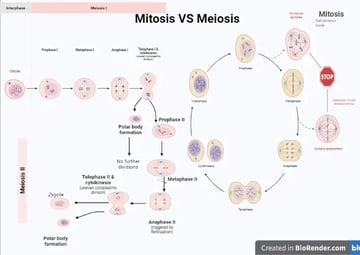
Mitosis and meiosis explained simply: every stage in order, the key differences in one table, which phase is longest and shortest, and memory tricks for your exam.
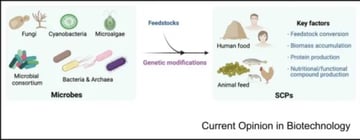
Single-cell protein (SCP) explained: which microbes and substrates produce it, real examples like Quorn and Pruteen, applications, and the RNA limitation.
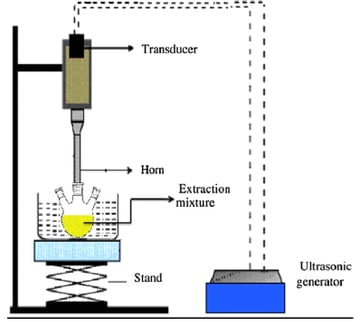
How ultrasonication works: sound waves create and collapse tiny bubbles (cavitation) whose implosion tears cells open. Its parts, uses in cell lysis, and why you must keep the samp...
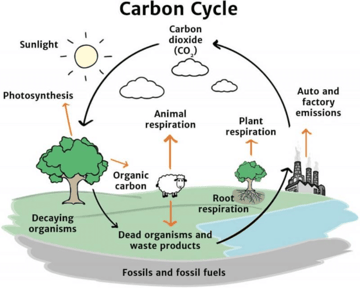
The carbon cycle explained step by step, and how microbes drive it: carbon fixation, decomposition, methane production, and methane oxidation.
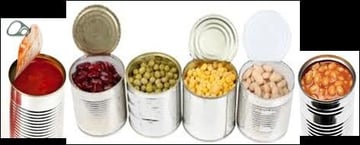
How canning preserves food, why acid foods and low-acid foods need different methods, and the pH 4.6 rule that separates safe canning from botulism risk.

How germ theory was proven: Pasteur's swan-neck flask experiment, Koch's anthrax work and postulates, and the contributions of Pasteur, Koch, and Lister.
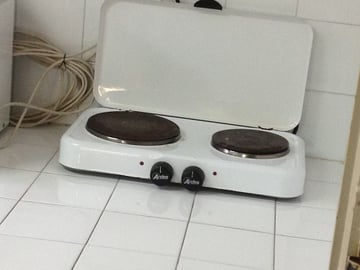
How a laboratory hot plate works, its parts and types, when to use a hot plate versus a Bunsen burner, magnetic stirrer, or water bath, and the mistakes that scorch media and crack...
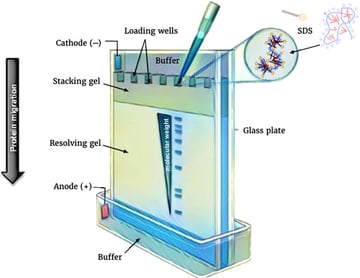
Polyacrylamide gel electrophoresis (PAGE) separates proteins by size. Learn why SDS is added, why the gel has a stacking and a resolving layer, how to choose the acrylamide percent...
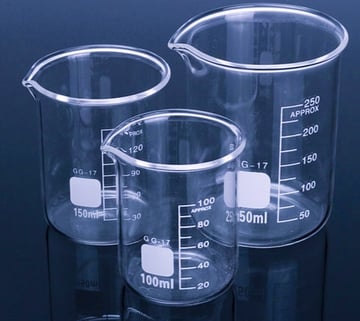
Beaker features, types, and uses, why a beaker measures only approximate volumes, and when to use a graduated cylinder or flask instead. A practical guide for laboratory students.
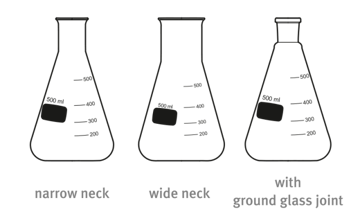
Conical (Erlenmeyer) flask features and uses, and why its narrow neck and sloping sides make it the standard vessel for broth culture, shaking, and titration. A practical guide for...
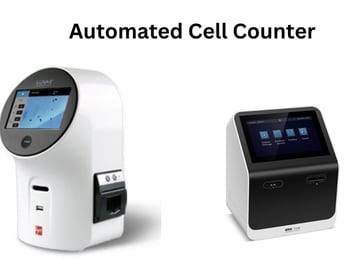
How the Coulter impedance and optical principles actually count cells, why the aperture must be larger than the cell, how trypan blue separates live from dead, and when a cell coun...
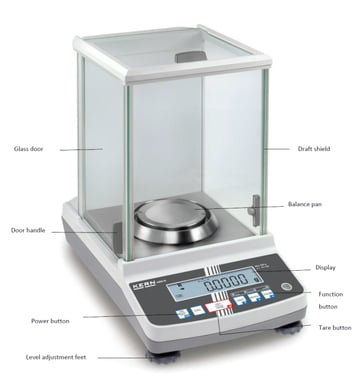
Analytical balance parts and their functions, how electromagnetic force restoration works, and the weighing errors (air currents, static, temperature) that ruin a reading, and how...
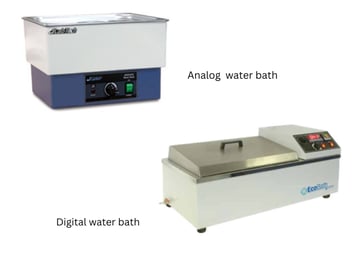
How a laboratory water bath works, its parts and types, the exact temperatures that matter (37°C, 44-45°C for tempering agar, 56°C for inactivating complement), and when to use it...