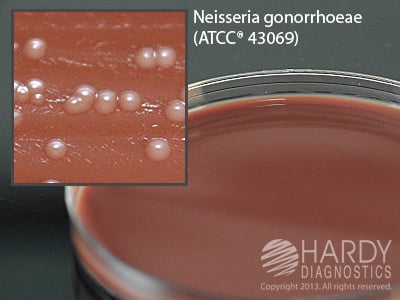
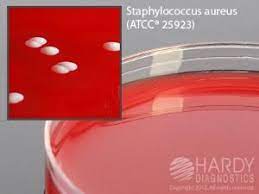
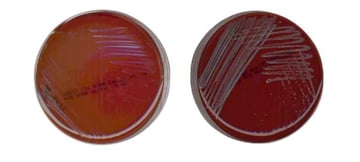
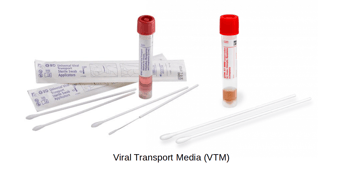
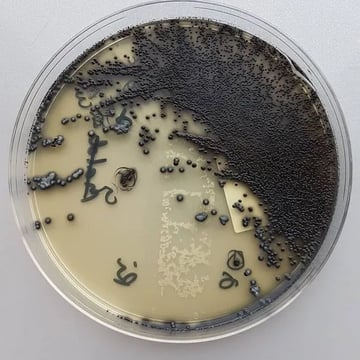
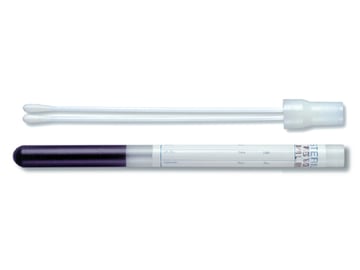
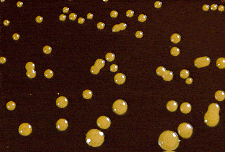
A specimen arrives in the laboratory. Before any identification can happen, the organisms in that specimen must be grown and the medium you choose determines what grows and what does not. Select MacConkey agar and you will see lactose fermenters change color; use Thayer-Martin and you selectively support Neisseria gonorrhoeae while suppressing everything else.
Culture media are the nutrient environments prepared in the laboratory to grow, isolate, and differentiate microorganisms. Choosing the right medium is not a procedural detail, it is a diagnostic decision.
This section covers all major bacteriological and mycological culture media, organized around three questions:
- Composition: what is in the medium and why each ingredient is there
- Purpose: whether the medium is general-purpose, selective, differential, enrichment, or transport
- Clinical use: which specimens it is used for, which organisms it supports, and how to interpret growth or color changes
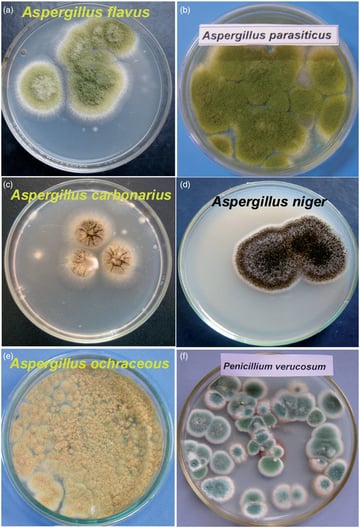
Articles range from everyday laboratory workhorses like blood agar, chocolate agar, and MacConkey agar, to specialized media like Löwenstein-Jensen for mycobacteria, TCBS for Vibrio, and Sabouraud Dextrose Agar for fungi.
If you have ever wondered why the microbiology laboratory chooses three different plates for a single stool specimen, this section will make that logic clear.