Immunology
Learn innate and adaptive immunity, antibody structure, hypersensitivity, complement, and immunodiagnostic tests explained with clinical application and exam focus.
About Immunology
A child receives a vaccine and, years later, their immune system recognizes the same pathogen and destroys it before a single symptom appears. A patient receives a mismatched blood transfusion and goes into shock within minutes. Both events are driven by the immune system; one a triumph of immunological memory, the other a catastrophic hypersensitivity reaction.
Immunology is the study of how the body defends itself against infection, how that defense can go wrong, and how we harness immune mechanisms for diagnosis and treatment.
This section covers:
- Innate and adaptive immunity: physical barriers, phagocytosis, natural killer cells, T and B lymphocytes, and the logic of clonal selection
- Antibody structure and function: immunoglobulin classes, antigen-antibody interactions, and the significance of IgM versus IgG in acute versus past infection
- Complement system: pathways, effector functions, and clinical consequences of deficiency
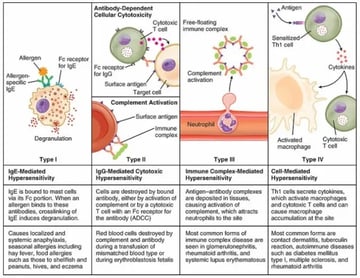
- Hypersensitivity reactions: Type I through Type IV, with clinical examples including anaphylaxis, serum sickness, contact dermatitis, and transplant rejection
- Immunodiagnostic tests: ELISA, agglutination, precipitation, immunofluorescence, and the principles behind serological interpretation
Immunology confuses students because the same terms (antigen, antibody, complement) appear in multiple contexts with subtly different meanings. Every article in this section is written to make those connections explicit rather than leaving them as an exercise for the reader.

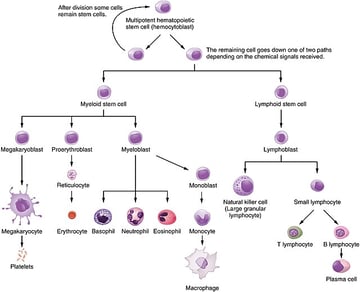
Hematopoiesis: The Process of Blood Cell Formation


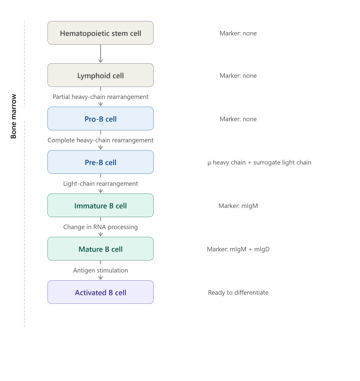
B Cell Development: Maturation, Activation, and Differentiation


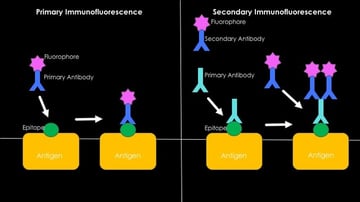
Immunofluorescence Assay: Direct vs Indirect (DFA vs IFA) and Clinical Uses
How immunofluorescence detects antigens and antibodies: the fluorophore-labeled antibody principle, the key difference between direct (DFA) and indirect (IFA) methods, and where ea...

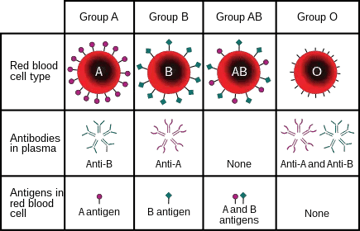
Blood Grouping (ABO and Rh): Forward vs Reverse Typing and How to Interpret
How ABO and Rh blood grouping works: forward (cell) versus reverse (serum) typing, why the two must agree, the Bombay phenotype trap, and how agglutination gives the result. Proced...


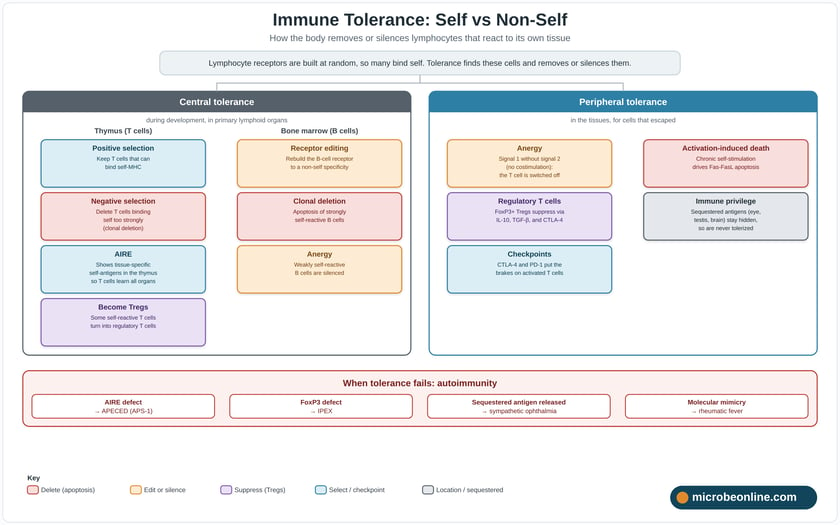
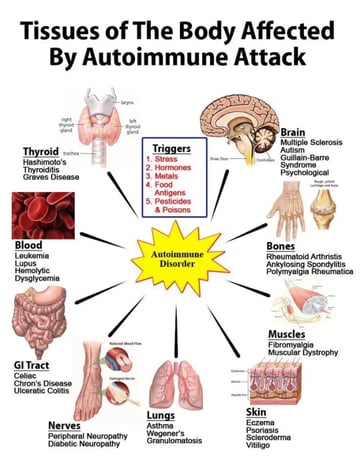
Allergies and Autoimmunity: Similarities and Differences

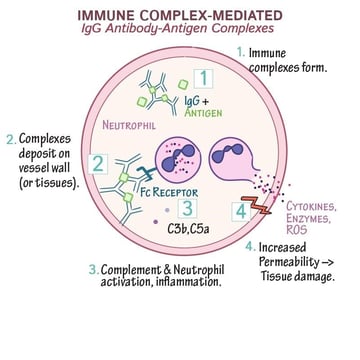
Hypersensitivity Type III: Mechanisms and Clinical Manifestations

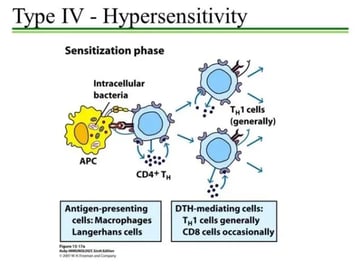
Hypersensitivity Type IV: Mechanism and Clinical Manifestation

Hypersensitivity Type II: Mechanism and Clinical Manifestation

Hypersensitivity Type I: Mechanism and Clinical Manifestation

Pregnancy Tests: How hCG Detection Works (and Why "No Clumping" Means Pregnant)
How pregnancy tests detect hCG: the inverted logic of agglutination inhibition where no clumping means pregnant, why modern kits target the hCG beta subunit, and what causes false...