A patient presents with symptoms consistent with tuberculosis, but the sputum smear is negative. A molecular test detects Mycobacterium tuberculosis DNA directly from the specimen in hours and simultaneously reports whether the strain is rifampicin-resistant. That result changes everything: the diagnosis is confirmed, and the treatment is adjusted before a single culture result is available.
Molecular biology has moved from the research laboratory to the clinical microbiology workflow, and understanding its principles is no longer optional for students in medicine or laboratory science.
This section covers molecular biology from foundational principles through clinical diagnostic applications:
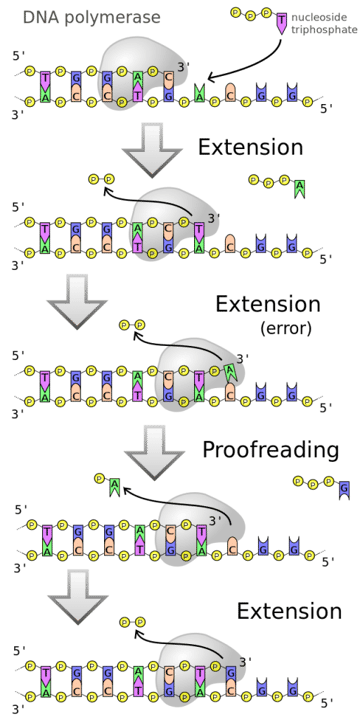
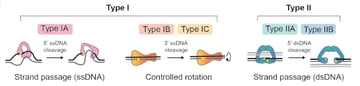
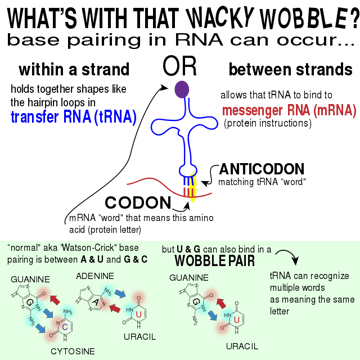
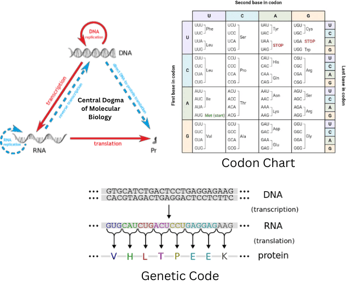
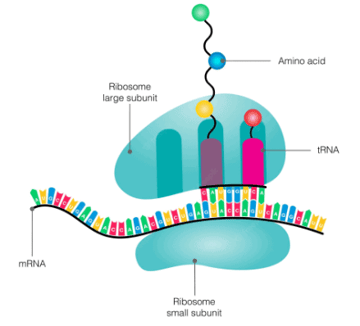
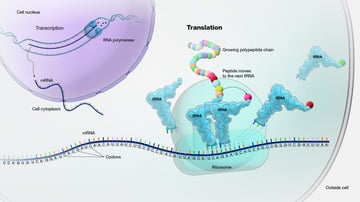
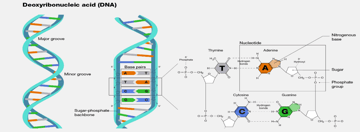
- Core molecular processes: DNA structure, replication, transcription, and translation; mutations and their consequences; plasmids and mobile genetic elements
- PCR and its variants: conventional PCR, real-time (qPCR), reverse transcription PCR (RT-PCR), and multiplex PCR, with emphasis on how each is used in diagnostic microbiology
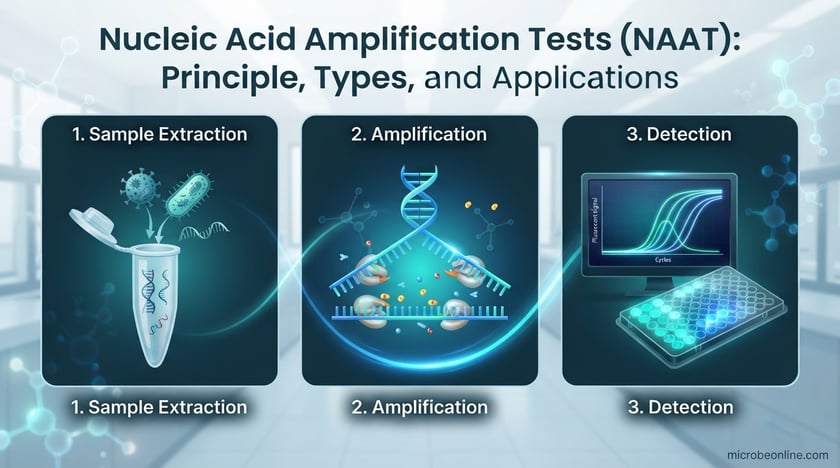
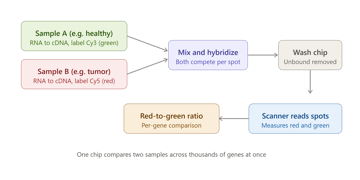
- Molecular diagnostic methods: nucleic acid amplification tests (NAATs), sequencing, hybridization techniques, and point-of-care molecular platforms
- Antimicrobial resistance at the molecular level: resistance genes, horizontal gene transfer, and how genotypic resistance testing differs from phenotypic testing
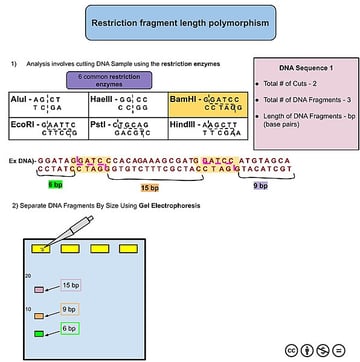
- Recombinant DNA and cloning: vectors, restriction enzymes, gene libraries, and expression systems relevant to vaccine and reagent production
Each article is written to connect the molecular mechanism to a clinical or laboratory outcome. Knowing how PCR works is useful; knowing why a false-positive PCR result can occur and how to interpret it is essential.