
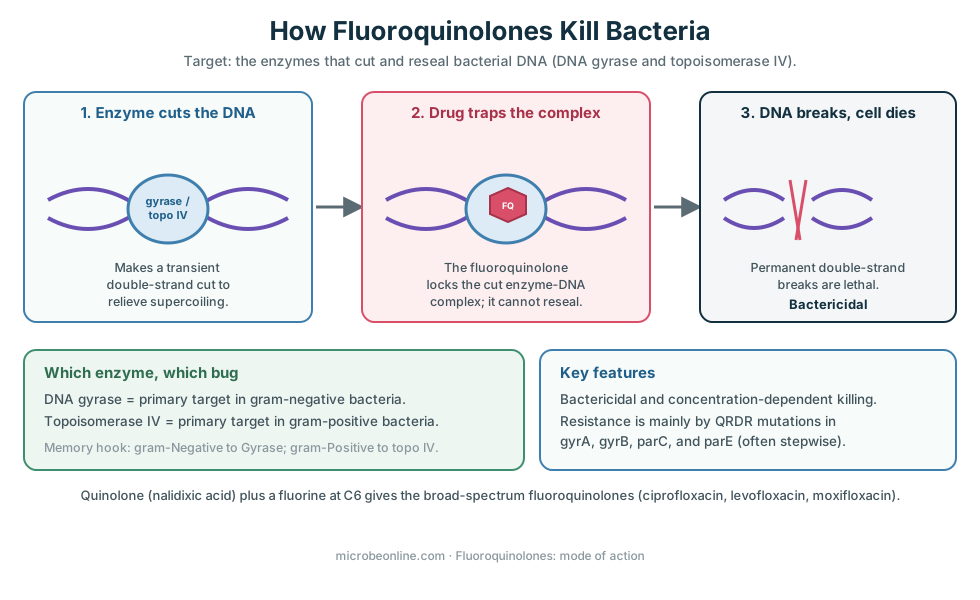
Fluoroquinolones: Mode of Action and Mechanism of Resistance
How fluoroquinolones work: inhibiting DNA gyrase and topoisomerase IV, members like ciprofloxacin, resistance by QRDR mutations, uses, and tendon warnings.
How fluoroquinolones work: inhibiting DNA gyrase and topoisomerase IV, members like ciprofloxacin, resistance by QRDR mutations, uses, and tendon warnings.
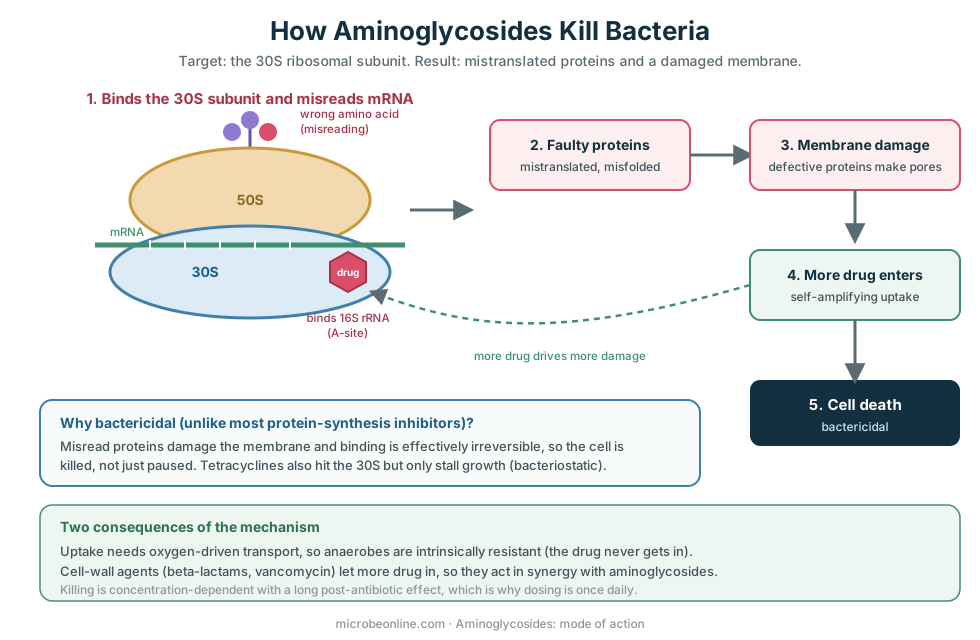
How aminoglycosides work: 30S binding and mRNA misreading, why they are bactericidal, members like gentamicin and amikacin, resistance, and toxicity.
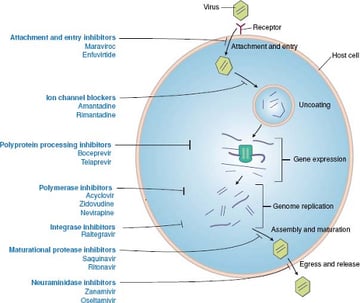
How acyclovir exploits viral thymidine kinase, why protease inhibitors stop HIV assembly, and which drug class blocks neuraminidase to trap flu virions.
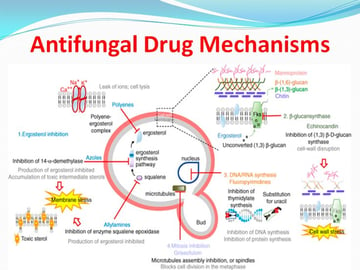
Antifungal drug mechanisms — polyenes, azoles, echinocandins, allylamines, and antimetabolites explained with clinical drug-to-organism mapping, spectrum comparison table, and conn...
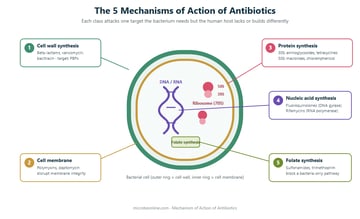
How antibiotics work: the 5 mechanisms of action, classification by target site, and drug examples for each class, with a clear mechanism diagram.
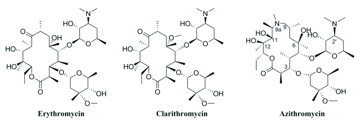
How macrolides work: 50S ribosome binding, members like erythromycin and azithromycin, bacteriostatic action, resistance by MLSb and efflux, and clinical uses.
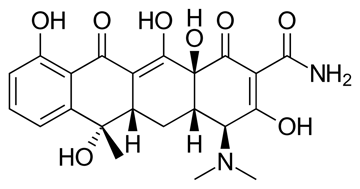
How tetracyclines inhibit protein synthesis at the 30S ribosome, how they are classified, the five ways bacteria resist them, and why the drug binds teeth, bone, dairy, and antacid...
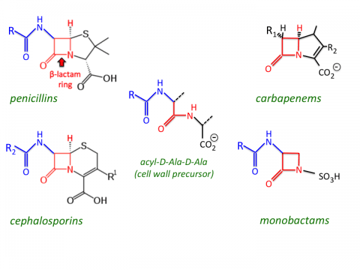
How beta-lactam antibiotics work, how they are classified (penicillins, cephalosporins, carbapenems, monobactams), and the three ways bacteria resist them, with the one distinction...
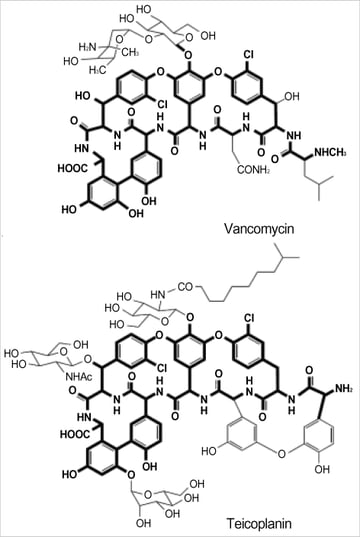
How vancomycin and other glycopeptides work: binding D-Ala-D-Ala to block cell wall synthesis, uses against MRSA, and resistance (VRE, VISA, VRSA), explained.
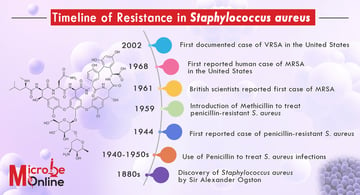
What MRSA is and how it resists all beta-lactams (mecA and PBP2a), the CA-MRSA vs HA-MRSA types, its history and timeline, detection, and treatment.
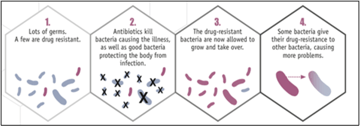
What causes antibiotic resistance, the 5 mechanisms bacteria use, intrinsic vs acquired resistance, and how it spreads, explained with clear examples.
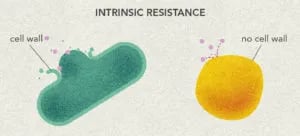
What intrinsic (natural) antibiotic resistance means, how it works (impermeability, efflux, missing targets), and key examples like Pseudomonas and Proteus.
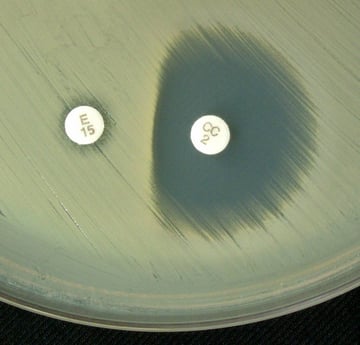
Erythromycin-resistant, clindamycin-susceptible on a routine report, but is it really? The D-test catches inducible resistance that standard susceptibility testing misses, and that...