
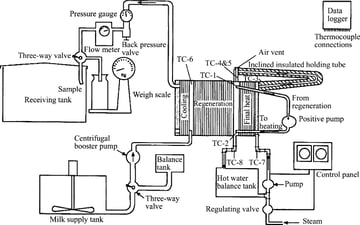
Pasteurization: Methods, Parts, and Thermal Resistance
How pasteurization works, the difference between LTLT, HTST, and UHT, why Coxiella burnetii sets the temperature, and the phosphatase test that proves it worked.
How pasteurization works, the difference between LTLT, HTST, and UHT, why Coxiella burnetii sets the temperature, and the phosphatase test that proves it worked.
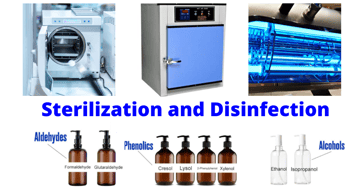
How the Spaulding Classification decides whether a device needs sterilization, high-level disinfection, or a simple wipe, why endoscope reprocessing failures caused real CRE outbre...
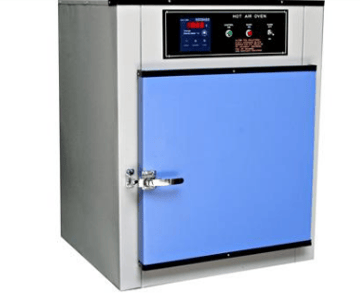
How a hot air oven sterilizes by dry heat: its parts, forced-air vs static-air types, the correct time-temperature cycles, how to load and wrap glassware, and why you must let it c...
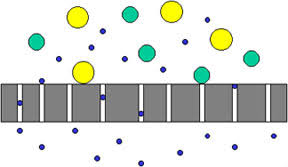
The filter that couldn't catch everything, and how that failure revealed viruses for the first time. Depth vs. membrane filters, pore sizes, and why "sterile filtered" doesn't alwa...
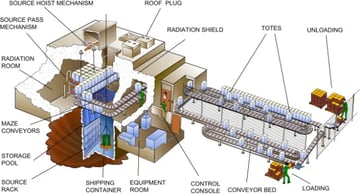
Why ionizing radiation is called "cold sterilization," how gamma rays made truly single-use disposable medical devices possible, and the real difference between ionizing and non-io...
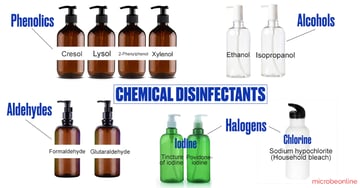
Why the disinfectant that works perfectly well on ordinary bacteria can leave a ward full of live Clostridioides difficile spores behind, and how to choose the right method, level,...
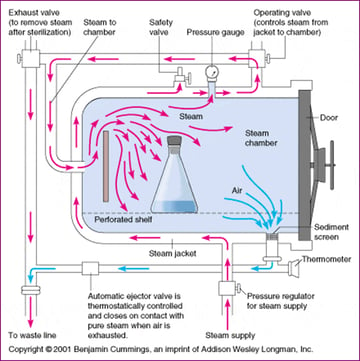
How steam sterilization actually works, the cycles and pressures for each load type, how to validate a run with biological and chemical indicators, what cannot be autoclaved, and t...
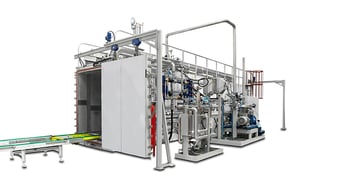
How a colorless, explosive, carcinogenic gas became indispensable for sterilizing heat-sensitive medical devices, the exact cycle parameters and biological indicator used to valida...
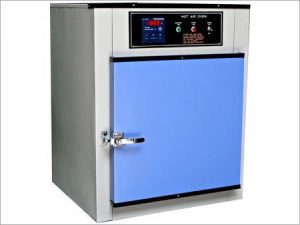
Why petroleum jelly, powders, and oils defeat steam sterilization entirely, how dry heat kills by oxidation instead of denaturation, and the real difference between a hot air oven,...
Moist heat sterilizes by denaturing microbial proteins with steam. Covers the principle, why it beats dry heat, and every method: autoclave, boiling, tyndallization, pasteurization...