Before you can identify a pathogen, understand an infection, or interpret a laboratory result, you need the conceptual foundations of microbiology. What makes a bacterium different from a virus? Why does sterilisation fail if temperature is correct but time is inadequate? How does a pathogen move from a reservoir to a host and establish infection?
General Microbiology covers the principles that underpin every other category on this site:
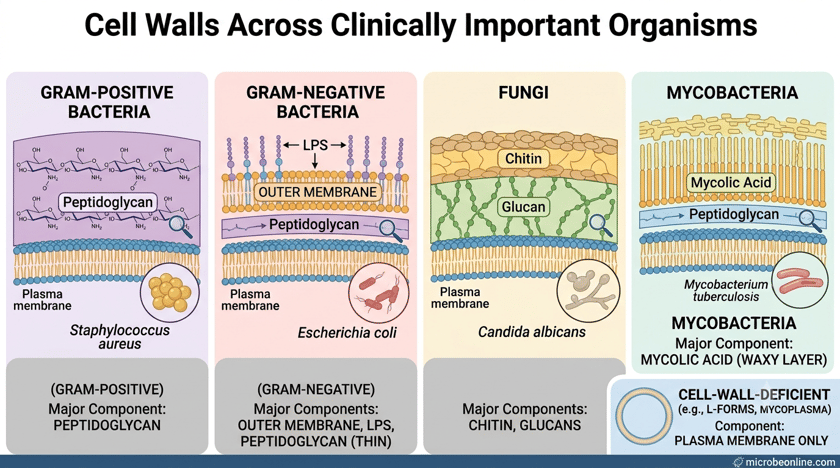
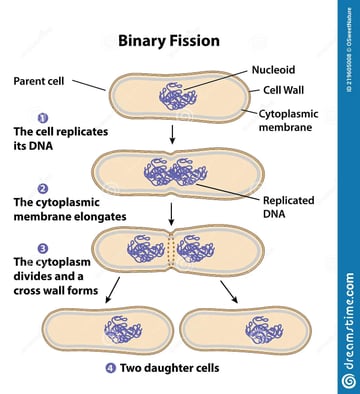
- Microbial classification and structure: the taxonomy of bacteria, viruses, fungi, and parasites; cell wall architecture; spore formation; and the features that make each group clinically distinct
- Sterilisation and disinfection: the methods, mechanisms, and monitoring of physical and chemical decontamination, including autoclave validation, the role of endospores, and the hierarchy of microbial killing
- Infection and host-pathogen interaction: colonisation versus infection, virulence determinants, routes of transmission, and the basics of host immunity
- Laboratory safety and infection control: biosafety levels, standard precautions, and aseptic technique principles
This is the section to start with if you are new to microbiology, and the section to return to when clinical categories raise questions that need a conceptual anchor.