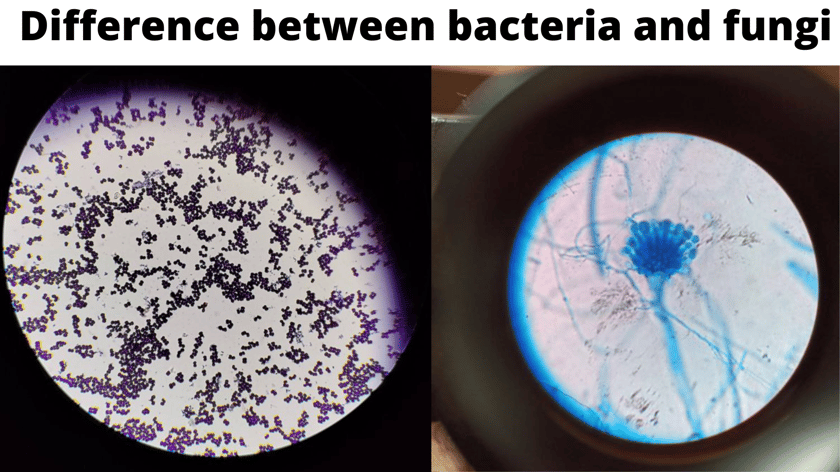
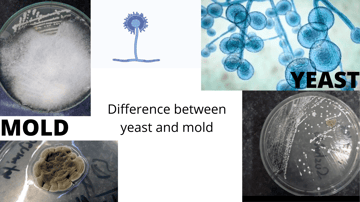
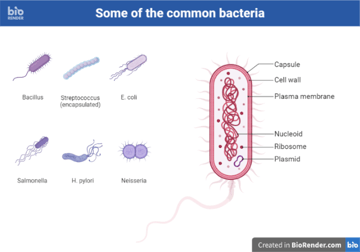
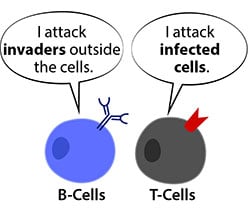
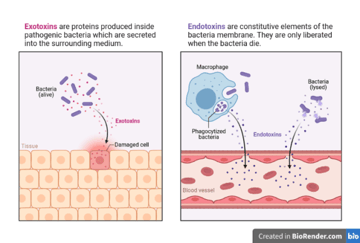
Some of the most common exam mistakes in microbiology do not come from unfamiliar topics; they come from concepts that look similar but are not. Exotoxin versus endotoxin. Gram-positive versus Gram-negative cell walls. Primary versus secondary immune response. Bacteriostatic versus bactericidal.
This section exists specifically for those confusions. Each article takes two or more closely related concepts and breaks down the differences systematically: definition, mechanism, examples, clinical significance, and a structured comparison table designed for revision.
The articles here are built around the questions students actually get wrong on MCQ papers, not just the ones that seem important in theory. If a pair of concepts appears repeatedly in exam distractors or in clinical viva questions, it belongs here.
Use this section for targeted revision of the distinctions that cost marks.