
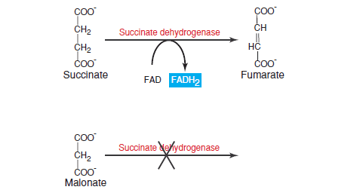
Malonate Test: Principle, Procedure, and Results
The malonate test checks whether a bacterium can use sodium malonate as its sole carbon source, shown by a green-to-blue color change. Learn the principle, why malonate inhibits su...
The test in which a non-sugar carbon/nitrogen source is used or degraded (citrate, malonate, decarboxylases, indole, PAD).
The malonate test checks whether a bacterium can use sodium malonate as its sole carbon source, shown by a green-to-blue color change. Learn the principle, why malonate inhibits su...
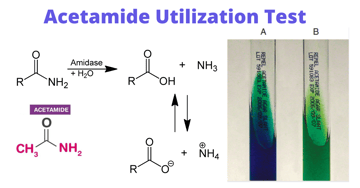
The acetamide utilization test detects acylamidase, the enzyme that deaminates acetamide to release ammonia. How to read the green-to-blue result and why it helps identify Pseudomo...
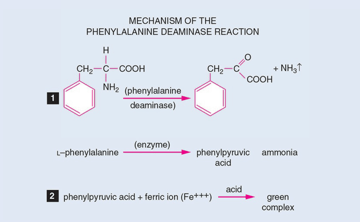
Add ferric chloride to a phenylalanine slant and a green color within five minutes means the organism is one of the Proteeae: Proteus, Morganella, or Providencia. The catch is that...
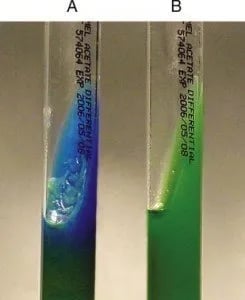
The acetate utilization test differentiates Escherichia coli (positive) from Shigella (negative) by growth and a green-to-blue color change on acetate agar. Learn the principle, ho...

How to set up, incubate, and read the API 20E strip: which wells need oil, which need reagents, how to run the 21st test (oxidase), and how to build the 7-digit profile number for...
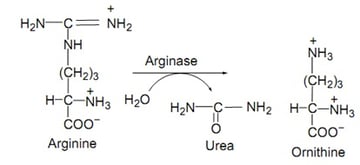
How the decarboxylase test identifies Enterobacteriaceae using lysine, ornithine, and arginine. Why the control tube is essential, how arginine dihydrolase differs from true decarb...
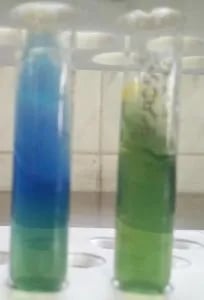
Citrate test principle and procedure — including the one rule most students miss: growth alone counts as positive, even without the blue color change.

Indole test principle, spot vs. tube procedure, and result interpretation — plus the "OK VIP" trick to remember indole-positive Enterobacteriaceae for your practicals.