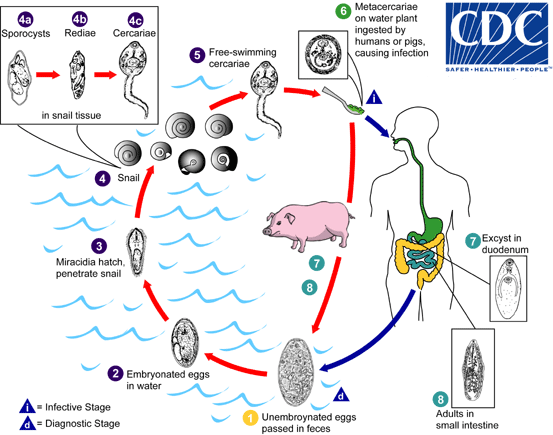
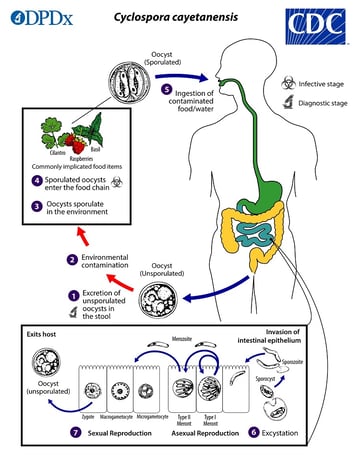
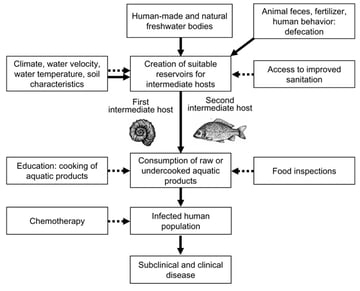
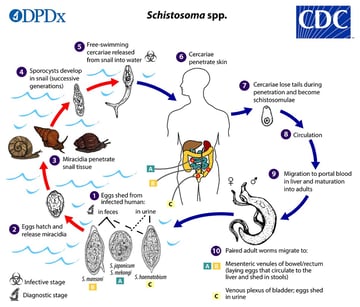
Malaria kills a child every two minutes. Globally, over a billion people carry intestinal helminths. Toxoplasma gondii infects approximately one-third of the world's population, mostly silently. Parasitic infections are not rare tropical curiosities; they are among the most prevalent infectious diseases on earth, with direct relevance to clinical practice in every part of the world.
Parasitology is the study of eukaryotic organisms (protozoa, helminths, and arthropods) that live in or on a host and cause harm. It requires a different kind of thinking from bacteriology: life cycles, intermediate hosts, vectors, and the tissue stages that determine symptoms all matter in ways that have no equivalent in bacterial infection.
This section covers:
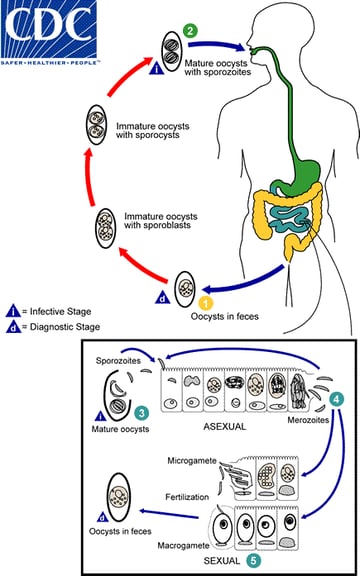
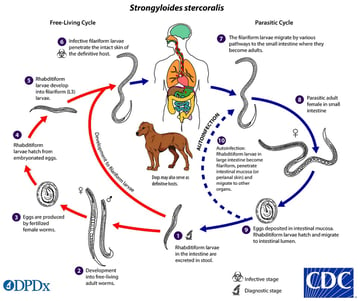
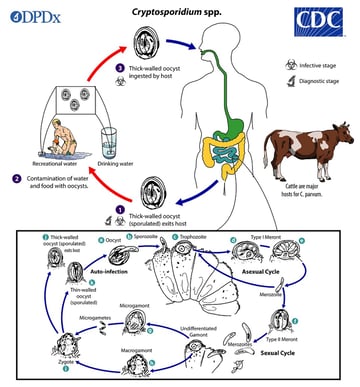
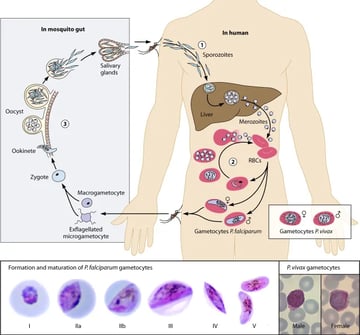
- Protozoa: Plasmodium (malaria), Leishmania, Trypanosoma, Entamoeba, Giardia, Cryptosporidium, Toxoplasma, and others; life cycle, transmission, clinical disease, and laboratory diagnosis
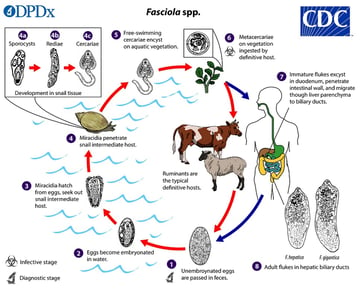
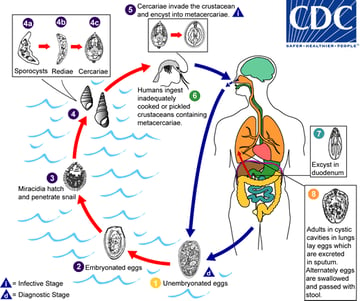
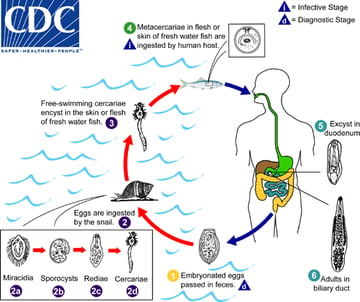
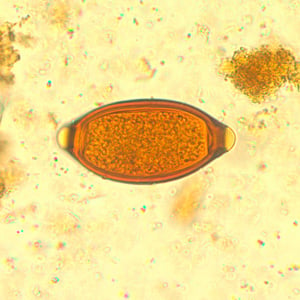
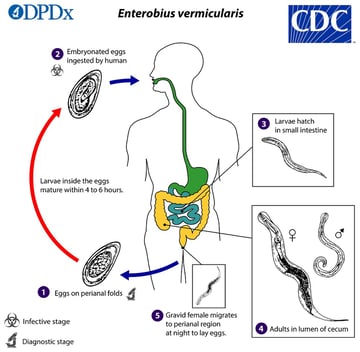
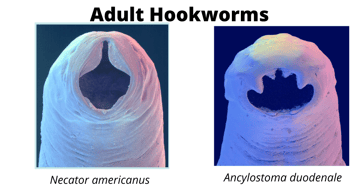
- Helminths: roundworms, tapeworms, and flukes; species that cause intestinal, tissue, and blood infections; morphology and diagnostic stage identification
- Ectoparasites: lice, scabies mites, and their role in disease transmission
- Laboratory diagnosis: stool examination (wet mount, concentration techniques, staining), blood film microscopy for malaria and microfilariae, serological tests, and antigen detection
For each organism, the article answers the same set of questions: What is the infective stage? How does the host acquire it? What does the patient present with? How is it identified in the laboratory?