

Microbiology textbooks can make one of the most fascinating subjects in medicine feel like a list of names to memorize. But behind every organism, every test, and every treatment is a story that makes the facts stick.
This article collects 25 genuinely surprising facts about microorganisms, chosen not just because they are interesting, but because each one connects to something you will encounter in your clinical career. Some will reframe how you think about infections. All of them are true.
Section 1: The Scale of Microbial Life
Fact 1: You are outnumbered, but not by as much as you think
For decades, the textbook figure was that microbial cells in the human body outnumber human cells 10:1. A landmark 2016 recalculation by Sender et al. revised this to approximately 1.3:1, roughly equal numbers, not ten times more. An average 70 kg man carries about 38 trillion bacteria alongside 30 trillion human cells.
 The revised ratio changes how we think about the microbiome, it is a partnership. It also means that a single course of broad-spectrum antibiotics has an enormous proportional impact on your total microbial population.
Fact 2: The largest bacterium is visible to the naked eye
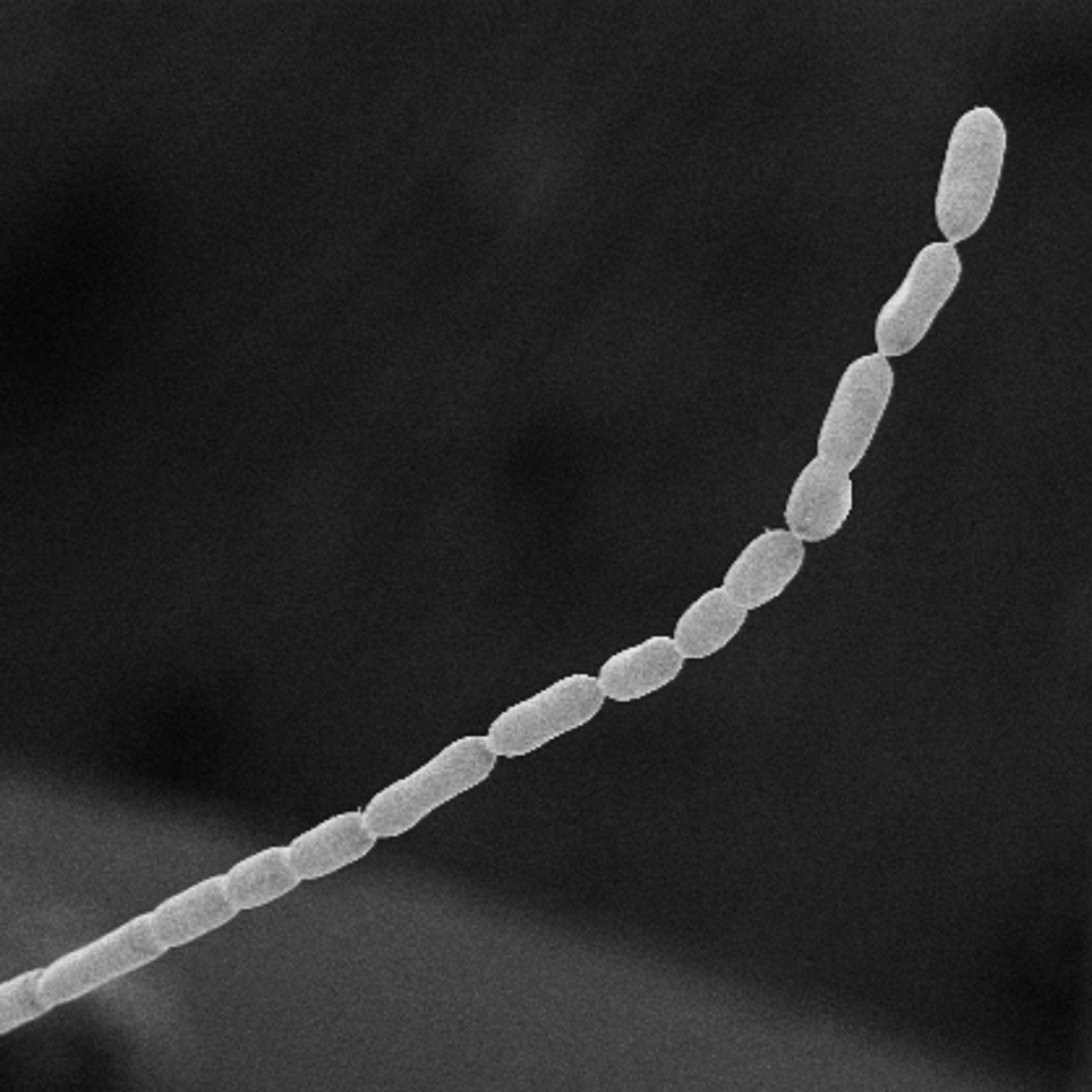 Figure: This microscope photo provided by the Lawrence Berkeley National Laboratory in June 2022 shows part of a Thiomargarita magnifica cell. Université des Antilles via AP
Thiomargarita magnifica, discovered in 2022 in the mangroves of Guadeloupe, is a single bacterial cell up to 2 centimeters long. It is visible without a microscope. It is roughly the size of a human eyelash. Unlike conventional bacteria, its DNA is enclosed in membrane-bound compartments. This feature was previously thought exclusive to eukaryotes.
Why it matters: It challenges the definition of what a bacterium is and reminds us that the prokaryote/eukaryote boundary is more complicated than textbooks suggest.
Fact 3: The smallest bacteria were mistaken for viruses
Mycoplasma genitalium is about 200–300 nm in diameter and is so small it was initially thought to be a virus. It has one of the smallest genomes of any independently culturable bacterium, about 525 genes.
Why it matters: Mycoplasma species lack a cell wall entirely, which is why beta-lactam antibiotics (penicillins, cephalosporins) are completely ineffective against them. A patient with atypical pneumonia not responding to amoxicillin may have Mycoplasma pneumoniae. Treatment requires azithromycin, doxycycline, or a fluoroquinolone.
Fact 4: A single bacterium, dividing unchecked, would outweigh the Earth
E. coli has a generation time of approximately 20 minutes under ideal conditions. If a single bacterium weighing 10⁻¹² grams were to divide continuously for 48 hours without any resource limitation, the resulting population would outweigh the Earth many thousands of times over.
Why it matters: This is why exponential bacterial growth in a patient is so dangerous and why early antibiotic administration matters. A 6-hour delay in treating sepsis is not a small thing; it is several doubling times of a rapidly dividing pathogen.
Section 2: Microbes at the Extremes
Fact 5: One bacterium survives radiation that would kill a human 1,000 times over
Deinococcus radiodurans withstands radiation doses up to 1.5 million rads, approximately 1,000 times the lethal dose for humans. It achieves this by rapidly and accurately reassembling its genome from hundreds of fragments using an extraordinarily efficient DNA repair system.
Why it matters: Understanding D. radiodurans's DNA repair mechanisms has contributed to research on radiation therapy resistance in cancer cells and has informed the development of new antibiotics targeting bacterial DNA repair pathways.
Fact 6: Bacterial spores can survive for millions of years
In 2000, scientists reported reviving Bacillus spores from 250-million-year-old salt crystals. Both this claim and an earlier report of Bacillus spores revived from 25 to 40 million-year-old amber remain contested, with contamination the leading alternative explanation. What is not disputed is that spores survive for decades to centuries in soil, which is what matters clinically.
Why it matters: Bacillus anthracis and Clostridium species form spores that survive for decades in soil. Anthrax outbreaks from spore-contaminated soil have occurred in animal populations long after the original cases. Sterilization protocols such as autoclaving at 121°C for 15 minutes are designed specifically to destroy spores, not merely vegetative cells.
Fact 7: Some bacteria live in boiling water
Thermophilic archaea and bacteria thrive in hydrothermal vents and hot springs at temperatures exceeding 100°C. Pyrolobus fumarii grows optimally at 106°C. These organisms use heat-stable enzymes, including the heat-stable DNA polymerase (Taq polymerase from Thermus aquaticus) that makes PCR possible.
Why it matters: Without extremophile research there would be no PCR, and without PCR, molecular diagnostics (TB detection, HIV viral load, COVID-19 testing) would not exist in their current form.
Section 3: Microbes and Human Disease: Surprising Connections
Fact 8: The 1918 influenza killed more people than World War I
The 1918 influenza pandemic caused approximately 50–100 million deaths worldwide (revised estimates; earlier figures cited 30 million). World War I killed approximately 17 million.
Why it matters: Pandemic preparedness is not a theoretical concern, it is a recurring clinical reality. The 1918 virus killed predominantly healthy young adults (unlike typical influenza, which kills the elderly), partly through cytokine storm, the same mechanism implicated in severe COVID-19.
Fact 9: H. pylori was proven by a doctor who drank it
In 1984, Australian physician Barry Marshall, frustrated that his colleagues would not accept that a bacterium (Helicobacter pylori) could cause peptic ulcers, drank a culture of the organism, developed gastritis, confirmed the infection by endoscopy and biopsy, then treated himself with antibiotics. He and Robin Warren won the Nobel Prize in Physiology or Medicine in 2005.
Why it matters: H. pylori colonizes the stomach of approximately 50% of the world's population and is the leading cause of peptic ulcer disease and gastric cancer. Before Marshall's discovery, ulcers were treated with antacids indefinitely; now they are cured with a 7–14 day course of antibiotics.
Fact 10: Most stomach ulcers are an infectious disease
Peptic ulcer disease was previously attributed to stress and excess acid but it is now understood to be caused by H. pylori infection in the majority of cases. It is one of the most successful reframings of a common disease in modern medicine.
Why it matters: This is why "test and treat" for H. pylori before starting long-term PPI therapy is now standard of care. A patient on omeprazole for years without H. pylori testing may have a curable infection being managed rather than eliminated.
Fact 11: The bacterium that causes the most deaths worldwide is not the one you think
Mycobacterium tuberculosis kills approximately 1.5 million people per year, more than any other single infectious agent. It infects an estimated one-quarter of the world's population latently. More people die of TB annually than of HIV/AIDS.
Why it matters: Despite being the leading infectious killer, TB remains under-recognized in high-income countries. In endemic regions it is a daily reality. A patient with unexplained weight loss, night sweats, and chronic cough must have TB excluded before other diagnoses are pursued.
Fact 12: Bacteria can cause cancer
Helicobacter pylori is a Group 1 carcinogen (WHO classification), a definitive cause of gastric cancer and gastric MALT lymphoma. It is the only bacterium classified as a definitive human carcinogen.
Several viruses are also established carcinogens: HPV (cervical, oropharyngeal cancers), EBV (Burkitt's lymphoma, nasopharyngeal carcinoma), HBV and HCV (hepatocellular carcinoma), HTLV-1 (adult T-cell leukemia/lymphoma), HHV-8 (Kaposi's sarcoma).
Why it matters: Approximately 15–20% of all human cancers worldwide have an infectious etiology. Vaccination against HPV and HBV is therefore cancer prevention, not just infection prevention.
Fact 13: The human mouth harbors more bacteria than there are people on Earth
The human oral cavity contains over 700 species of bacteria, with approximately 10 billion bacteria per milliliter of saliva. The total number of bacteria in one person's mouth exceeds the global human population by many orders of magnitude.
Why it matters: Oral bacteria are a significant cause of aspiration pneumonia (especially in the elderly and post-stroke patients), infective endocarditis (viridans streptococci after dental procedures), and deep space neck infections. Oral hygiene is not a cosmetic issue, it is an infection prevention intervention.
Fact 14: Some bacteria are older than sex
Bacteria have been on Earth for approximately 3.5 billion years. Sexual reproduction in eukaryotes evolved roughly 1.2 billion years ago. Bacteria "invented" genetic recombination through horizontal gene transfer (conjugation, transformation, transduction) long before any organism evolved sex as a reproductive strategy.
Why it matters: Horizontal gene transfer is the primary mechanism by which antibiotic resistance genes spread between bacteria, including between unrelated species. A resistance gene that emerges in one organism can spread across an entire hospital within weeks through plasmid transfer.
Section 4: Microbes That Changed Medicine
Fact 15: Penicillin was discovered by accident, twice
Alexander Fleming observed in 1928 that a Penicillium mold contaminating his Staphylococcus culture plates was killing the bacteria around it. He published the observation but did not develop it into a drug. It took Howard Florey and Ernst Chain a decade later (1940) to purify penicillin and demonstrate its clinical utility, earning Fleming, Florey, and Chain the 1945 Nobel Prize.
The "accident" was not unique: Fleming had previously observed lysozyme (an antibacterial enzyme) in his own nasal mucus during a cold. He was a scientist who noticed things that others would have discarded.
Why it matters: Penicillin transformed medicine more profoundly than almost any other discovery. Infections that killed routinely before 1940 (streptococcal sepsis, pneumococcal meningitis, syphilis) became treatable. The antibiotic era that followed has saved hundreds of millions of lives.
Fact 16: Microbes produce most of our antibiotics
The majority of antibiotic classes in clinical use were originally derived from soil microorganisms, predominantly Streptomyces species (actinomycetes):
Streptomycin, gentamicin, and neomycin, from Streptomyces species
Tetracyclines, from Streptomyces species
Chloramphenicol, from Streptomyces venezuelae
Erythromycin, from Saccharopolyspora erythraea
Vancomycin, from Amycolatopsis orientalis
Why it matters: Soil microorganisms have been producing antibiotics for millions of years as competitive weapons against other microbes, and the resistance mechanisms that now threaten clinical medicine evolved in the same soil ecosystems, long before humans ever used antibiotics therapeutically.
Fact 17: Smallpox was eradicated with a two-pronged needle
The smallpox vaccine uses vaccinia virus, which requires refrigeration. In the 1960s and 70s, maintaining the cold chain in tropical countries was the primary logistical challenge of the eradication campaign. The solution (bifurcated needles that could deliver vaccine with minimal volume and be reused after flame sterilization) allowed vaccination in settings without reliable cold chains.
Smallpox was declared eradicated in 1980 (the only human disease ever eradicated through vaccination). Variola virus now exists only in two WHO-authorized repositories (CDC Atlanta and VECTOR Novosibirsk).
Why it matters: Smallpox eradication is the greatest achievement in the history of infectious disease control. Its lessons on surveillance, ring vaccination, and community engagement directly inform modern outbreak response.
Fact 18: Microbes produce half the oxygen we breathe
Marine phytoplankton and cyanobacteria are responsible for approximately 50% of global oxygen production through photosynthesis. Prochlorococcus (a marine cyanobacterium) is estimated to be the most abundant photosynthetic organism on Earth, producing a significant fraction of the ocean's oxygen.
Why it matters: Disruption of marine microbial ecosystems through ocean acidification and warming has implications not just for marine life but for atmospheric oxygen production, a microbial function that underpins all aerobic life on Earth.
Section 5: Microbes in Unexpected Places
Fact 19: Bacteria can communicate with each other
Quorum sensing is a system by which bacteria detect population density through chemical signaling molecules (autoinducers). When the concentration of autoinducers reaches a threshold, indicating sufficient numbers are present, bacteria collectively switch on genes for biofilm formation, virulence factor production, or antibiotic resistance.
Why it matters: Pseudomonas aeruginosa uses quorum sensing to coordinate biofilm formation in CF lungs and in chronic wound infections. Quorum sensing inhibitors are an active area of antimicrobial drug development, targeting bacterial communication rather than bacterial survival, which may reduce selective pressure for resistance.
Fact 20: Some bacteria form communities that are virtually impossible to eradicate with antibiotics
Biofilms are structured communities of bacteria embedded in a self-produced matrix. Biofilms can be up to 1,000 times more resistant to antibiotics than the same organism growing freely in culture (planktonic growth). This is why minimum inhibitory concentrations (MIC) measured from planktonic cultures do not predict antibiotic efficacy against biofilm infections.
Why it matters: Biofilm infections include prosthetic joint infections, infected vascular grafts, central line-associated bloodstream infections, catheter-associated UTIs, and P. aeruginosa chronic lung infection in CF. These infections often cannot be cured with antibiotics alone; infected hardware frequently requires removal.
Fact 21: Viruses are the most abundant biological entities on Earth
There are an estimated 10³¹ virus particles on Earth, more than all other biological entities combined. The oceans contain approximately 10 million viruses per milliliter of seawater. The vast majority infect bacteria (bacteriophages) rather than eukaryotes.
Why it matters: Bacteriophages (phages) are being actively researched as therapeutic agents against multidrug-resistant bacteria, an approach known as phage therapy, with several compassionate-use cases demonstrating clinical success against infections unresponsive to all available antibiotics.
Fact 22: Your DNA contains remnants of ancient viral infections
Approximately 8% of the human genome consists of endogenous retroviruses (ERVs), remnants of retroviral infections that occurred in our ancestors' germline cells millions of years ago. Some ERV sequences have been co-opted for human biological functions, including placental development (syncytin proteins, derived from ERV envelope genes, are essential for forming the syncytiotrophoblast layer of the placenta).
Why it matters: The boundary between "human" and "viral" DNA is not as clear as it appears. Understanding ERVs has implications for cancer biology (some ERVs are reactivated in tumors) and autoimmune disease.
Fact 23: The appendix may be a reservoir for gut bacteria
For over a century the appendix was considered a vestigial organ. Research in the 2000s proposed that the appendix functions as a "safe house" for beneficial gut bacteria (particularly after severe diarrheal illness) allowing repopulation of the colon from a protected reservoir.
Why it matters: This hypothesis partially explains why appendectomy is associated with modestly increased susceptibility to C. difficile infection: the reservoir for recolonization may be compromised.
Fact 24: Fecal microbiota transplantation cures drug-resistant C. difficile infection
Fecal microbiota transplantation (FMT), transferring stool from a healthy donor into a patient with recurrent Clostridioides difficile infection, achieves cure rates of 85–90%, far exceeding any antibiotic regimen for recurrent CDI. It works by restoring a diverse gut microbiome that outcompetes C. difficile.
Why it matters: FMT is now an accepted treatment for recurrent CDI in international guidelines. It represents a fundamental shift in thinking, treating infection not by killing a pathogen, but by restoring the microbial ecology that keeps it suppressed.
Fact 25: The human microbiome weighs about 200 grams
The combined mass of all microorganisms in and on the human body is approximately 200 grams, roughly the weight of a medium apple. Despite this modest weight, the metabolic activity of the gut microbiome rivals that of the liver, producing vitamins (K, B12, folate), metabolizing drugs, and regulating immune development.
Why it matters: Disruption of the gut microbiome by antibiotics has consequences beyond the target pathogen. Broad-spectrum antibiotic courses are increasingly recognized as a cause of long-term metabolic and immune changes, a consideration that reinforces the importance of antibiotic stewardship.
References
- Razin S. Mycoplasmas. In: Baron S, editor. Medical Microbiology. 4th edition. Galveston (TX): University of Texas Medical Branch at Galveston; 1996. Chapter 37. Available from: https://www.ncbi.nlm.nih.gov/books/NBK7637/
- Makarova, K. S., Aravind, L., Wolf, Y. I., Tatusov, R. L., Minton, K. W., Koonin, E. V., & Daly, M. J. (2001). Genome of the extremely radiation-resistant bacterium Deinococcus radiodurans viewed from the perspective of comparative genomics. Microbiology and molecular biology reviews : MMBR, 65(1), 44–79. https://doi.org/10.1128/MMBR.65.1.44-79.2001
- Sanderson, K. (2022). Largest bacterium ever found is surprisingly complex. Nature. https://doi.org/10.1038/d41586-022-01757-1
- Sender R, Fuchs S, Milo R. Revised estimates for the number of human and bacteria cells in the body. Cell. 2016;164(3):337–340. https://doi.org/10.1016/j.cell.2016.01.013
- Marshall BJ, Warren JR. Unidentified curved bacilli in the stomach of patients with gastritis and peptic ulceration. Lancet. 1984;323(8390):1311–1315.
- Costerton JW, Stewart PS, Greenberg EP. Bacterial biofilms: a common cause of persistent infections. Science. 1999;284(5418):1318–1322.
- van Nood E, Vrieze A, Nieuwdorp M, et al. Duodenal infusion of donor feces for recurrent Clostridium difficile. N Engl J Med. 2013;368(5):407–415.
- Lederberg J. Infectious history. Science. 2000;288(5464):287–293.

Comments
No comments yet. Be the first to share your thoughts.
Leave a comment
All comments are reviewed before they appear.